
Perinatal Loss Practice Consultation — New York & Long Island
Helping OB/GYN practices care better for pregnancy loss patients
A licensed perinatal therapist offering practice audits, staff training, and protocol development — so that every loss patient who walks through your doors feels seen, not harmed.

Serving New York & Long Island
1 in 4
Pregnancies end in loss
Loss patients are in your practice every single day.
70%
Of loss patients report inadequate care
Not from lack of compassion — from lack of training.
Years
Patients carry these moments
What your staff says after a loss is remembered for years.
This work comes from inside the therapy room
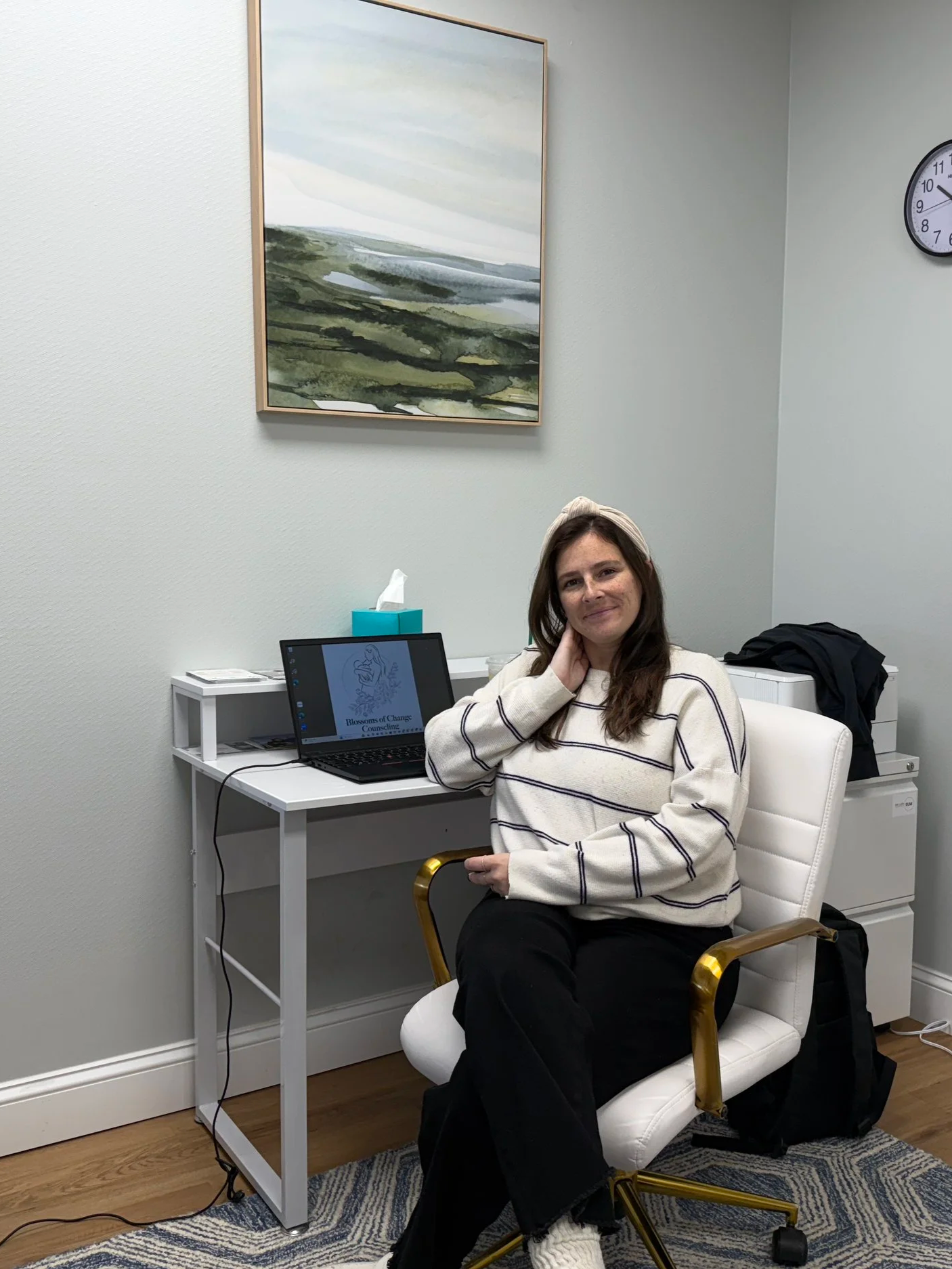
I'm a licensed perinatal therapist who has spent years sitting with patients after their pregnancy losses — hearing what helped, what hurt, and what they wish had been different about their medical care.
What I hear, over and over, is that the harm wasn't intentional. The waiting room wasn't designed to be painful. The nurse didn't mean to say the wrong thing. The intake form wasn't written to feel cold. But the impact on a grieving patient is real regardless.
That's why I built this consultation program. Not to shame practices, but to give them the tools, training, and systems to do better. Because when a practice gets this right, it changes everything for the patient sitting across from them.
Licensed Clinical Social Worker
Specialized training in pregnancy loss, grief, and trauma-informed care
Postpartum Support International member / PMH-C certified
Based on Long Island — serving practices across New York
"My clinical background is exactly what makes this different. I understand the psychological impact of these environments and interactions because I treat the patients who have been harmed by them."
— Courtney Jacobson, LCSW | PMH-C
Where OB practices unintentionally cause harm

The Waiting Room
Loss patients waiting among visibly pregnant patients, surrounded by baby décor, birth announcements, and pregnancy magazines — before they've even been seen.
What Staff Say
"At least you know you can get pregnant." "It was so early." "Everything happens for a reason."
Well-meaning words that land like wounds — and stay with patients for years.
Follow-Up Visits
The post-loss visit structured exactly like a postpartum recovery check — not designed for grief, not resourced for mental health, leaving patients feeling processed rather than cared for.
Intake Paperwork
Forms asking for "live births," requesting due dates for pregnancies that ended, or requiring patients to describe their loss in writing before speaking to anyone.
Automated Communications
"We look forward to seeing you and baby!" sent automatically to a patient who just lost her pregnancy. Small systems failures with large emotional consequences.
The Diagnosis Moment
News delivered from the doorway. No time given before moving to clinical options. No one in the room. The moment a patient discovers her loss handled like a routine clinical task.
What’s Included
A full-practice consultation program
Three phases, delivered on-site or virtually, designed to create lasting change — not just a one-day training.

-
A structured assessment of your physical space, patient flow, intake materials, and existing protocols — delivered as a written report with prioritized recommendations.
Waiting room and signage walkthrough
Intake form and paperwork language review
Patient flow and routing assessment
Existing protocol review
Written report with tiered recommendations
Loss-sensitive intake language guide
-
Role-specific education for your entire team — from front desk to physicians — on language, communication, grief response, and trauma-informed care.
What to say — and what not to say
Phone triage language for loss calls
Role-specific modules for all staff levels
Recognizing and responding to acute grief
Secondary trauma and staff wellbeing
Available in-person or virtually
-
Building or revising the written systems that make compassionate care the standard — not dependent on which staff member a patient encounters.
Chart flagging system for loss patients
Loss diagnosis communication protocol
Follow-up visit standard and structure
Patient bereavement resource packet
Waiting area resource design guidance
Revised intake language template
-
Quarterly check-ins, new staff onboarding training, and ad hoc consultation — so the work stays alive after the initial engagement ends.
Quarterly 60-minute check-in calls
New hire training sessions
Protocol update support
A contact for difficult patient situations
Built for OB/GYN practices ready to do better
This program is designed for practices that care about their patients — and want to make sure that care extends to the ones going through the hardest experiences of their lives.
You don't need to be doing everything wrong to benefit. Many of the practices I work with are already compassionate. This program gives that compassion a structure, a language, and a system that doesn't depend on any one person getting it right on a given day.
It also creates a direct referral pathway to perinatal mental health support — something loss patients need and most practices don't currently have in place.
OB/GYN Practices
Private and group practices serving general obstetric and gynecological populations in New York and Long Island.
Midwifery Practices
Midwife-led practices where the relational model of care makes loss support particularly meaningful and where protocols may not yet exist.
Maternal-Fetal Medicine
MFM specialists and perinatologists who work with high-risk pregnancies and encounter TFMR and complex loss situations.
Fertility Clinics
Reproductive endocrinologists and fertility clinics where patients experience repeated loss in a clinical environment often focused on treatment, not grief.

What a practice looks like after this work
A waiting room that doesn't harm
Private or screened space for loss patients, neutral environment, loss-specific resources available — so no patient has to white-knuckle their grief in a room full of baby announcements.
Staff who know what to say
Every person on your team — from front desk to physician — trained on compassionate language, trauma-informed responses, and what to do in the moments that matter most.
Systems that don't fail patients
Written protocols that ensure consistent care regardless of who is working that day — chart flagging, triage scripts, follow-up visit structure, and communication standards.
A mental health referral pathway
A clear, warm process for connecting loss patients with perinatal mental health support — so they leave your office knowing where to turn, not just handed a pamphlet.
Serving OB/GYN practices across New York & Long Island
Based on Long Island, I work with practices throughout Nassau County, Suffolk County, and the greater New York area. Consultations are available in-person for local practices and virtually for practices statewide.
I understand the patient population here — the specific communities, the local resources, and the referral landscape for perinatal mental health support on Long Island and in the New York metro area.
Suffolk County
01
Local referral network
I can connect your practice with local perinatal mental health resources, support groups, and specialists your patients can actually access.
02
In-person availability
For Long Island and NYC-area practices, I can conduct the practice audit and staff training in person — making implementation faster and more effective.
03
Ongoing relationship
Local practices can access ongoing retainer support with the ease of a genuine local professional relationship — not a remote consultant they've never met.
Long Island
New York City
Westchester
Virtual-State Wide
Nassau County
Common Questions
-
We begin with a discovery call to understand your practice's current setup, patient population, and goals. From there, I conduct the practice audit — either in person or virtually — and deliver a written report. Staff training is typically scheduled within a few weeks of the audit. Protocol development follows, and we close the initial engagement with a final implementation review. The full process typically takes 6–10 weeks depending on practice size and scheduling.
-
I strongly recommend it, yes. The most common moments of inadvertent harm happen at the front desk and in brief nursing interactions — not just with the physician. A loss patient's experience is shaped by every person she encounters from the moment she calls to schedule to the moment she exits the building. That said, training can be adapted to your practice's structure and staffing model.
-
Yes. The practice audit can be conducted virtually through a video walkthrough, document review, and structured staff interviews. Staff training workshops are available via video. For practices outside the New York area, the full program is available entirely remotely. Local (Long Island and NYC-area) practices have the option of in-person delivery for the audit and training.
-
The clinical lens is the difference. I don't come to this as someone who has read about pregnancy loss — I come as someone who treats loss patients in therapy and hears directly from them what their medical experiences felt like. Every recommendation in this program is grounded in what patients actually report: the specific phrases that hurt, the exact waiting room moments that broke them, the follow-up visits that retraumatized rather than supported. That specificity is not available from a general patient experience framework.
-
It can, if that's appropriate for your patient population and my current practice capacity. Part of what I help practices build is a robust referral pathway to perinatal mental health services — and I can be one of those resources. This is disclosed transparently, and referrals are always made in the patient's best interest. Many practices find that having a direct relationship with a known perinatal therapist significantly improves the quality and uptake of mental health referrals.
-
Services are priced based on practice size, scope of engagement, and whether delivery is in-person or virtual. I offer three consultation tiers — from a standalone practice audit to a full transformation package with retainer support. Please reach out to discuss your practice's specific needs and I'll provide a clear proposal. There is no obligation from an initial conversation.

Ready to make your practice safer for loss families?
Start with a no-obligation discovery call. We'll talk about your practice, what's working, and where there's room to do better. No pressure — just a conversation.